Margetha: A Script Font That Adds Character to Branding
There’s a certain magic in finding the right font that feels like it was made for your project. I’ve been testing Margetha for a recent branding project, and honestly, it’s been a game-changer. The client is a small boutique that sells handmade candles and home fragrances—something warm, inviting, and a little nostalgic. Their brand needed a visual identity that reflected the craftsmanship and care behind each product.
The First Impressions
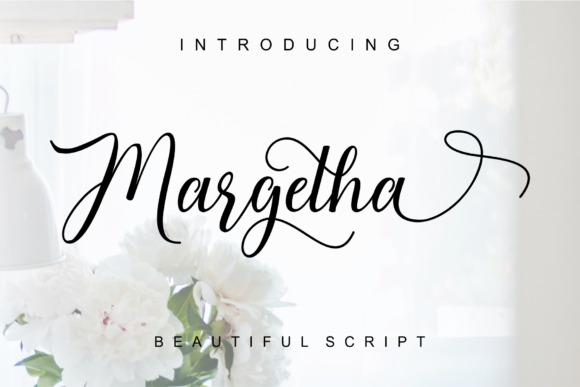
I started by opening my blank brand board and thought about how to translate the boutique’s vibe into typography. Margetha immediately caught my eye. Inspired by classic typography but with its own unique flair, it has that elegant, handwritten feel that feels both modern and timeless. It’s not too flowery or too rigid, which makes it versatile for different applications.
At first glance, Margetha looks like it could work well for headlines. Its script style gives it a personal touch, while still maintaining readability. I tested it on a few logo drafts and found it to be surprisingly legible even at smaller sizes. That’s a big plus when designing for various platforms—from business cards to social media posts.
Testing in Real Projects
For the boutique’s logo, I paired Margetha with a clean sans serif font to balance the design. The result felt sophisticated yet approachable. I used Margetha for the main brand name, letting it stand out against a minimalist background. It worked beautifully, especially when printed on the store’s signage and packaging.
As I moved into creating mockups for product labels and packaging, I noticed how Margetha’s personality shone through. On a candle label, it added a sense of warmth and artistry. It didn’t overpower the design, but it definitely made the text pop. I also used it for a few sample posters and flyers, where it helped create a cohesive look across all materials.
One thing I really appreciate about Margetha is its versatility. While it’s best suited for headlines and short-form text, I found it could work as an accent font in larger designs. For example, I used it for callouts in an Instagram post, and it added just the right amount of flair without being distracting.
Designing for Different Platforms
When designing for digital platforms, I considered how Margetha would look on screen. I tested it on a homepage hero section and an email newsletter. It held up well, though I did notice that it might need a bit more spacing in some cases to maintain clarity. Overall, it’s a great choice for web design, especially when used in headers or promotional banners.
On social media, Margetha added a personal touch to the boutique’s content. Whether it was for a product announcement or a seasonal promotion, it helped create a consistent brand voice. I also used it in editorial-style layouts for blog posts and newsletters, where it gave the text a friendly, handcrafted feel.
Font Pairing and Stylistic Considerations
While Margetha works well on its own, I found that pairing it with a serif or sans serif font can enhance its impact. For instance, using a geometric sans serif like Montserrat as a supporting typeface created a nice contrast. This combination allowed the brand to feel both professional and creative.
When considering font licensing, I made sure to check the included styles and alternates. Margetha offers several weights and ligatures, which adds flexibility for different design needs. It also supports multiple languages, making it a solid choice for international clients or multilingual brands.
Practical Tips for Using Margetha
If you’re planning to use Margetha in a full brand system, I recommend testing it thoroughly before finalizing. Look at how it appears on different backgrounds, sizes, and formats. Pay attention to how it reads in print versus digital, and consider its legibility in low-light conditions or on small screens.
Also, don’t forget to explore the font’s alternate characters and ligatures. They can add a nice touch of personality to your designs without compromising readability. And if you’re working on packaging or merchandise, think about how the font will appear on physical materials—like paper, fabric, or glass.
Finally, always ensure that you have the correct commercial font license for your project. Margetha is a premium font, and using it in a commercial context requires proper licensing. This ensures that your design work is both legal and ethical.
Final Thoughts
Margetha is more than just a script font—it’s a tool that can elevate your brand’s visual identity. Whether you’re designing for a boutique, a creative studio, or a local restaurant, this font brings a unique character that feels both authentic and professional. It’s a great addition to any designer’s toolkit, especially for those looking to blend classic typography with modern design trends.